Fitness means something different to everyone. For some people, it means going to the gym, building strength or losing weight. For others, it means eating nutritious food, practising yoga or staying physically active. While all these things are important, true fitness is much bigger than physical appearance or exercise alone.
A healthy and fulfilling life requires balance across different areas of wellbeing. You may exercise regularly but still feel mentally exhausted. You may be successful in your career but experience emotional stress. You may feel physically strong while worrying constantly about financial responsibilities.

This is where the four dimensions of fitness provide a more complete and powerful approach to wellbeing.
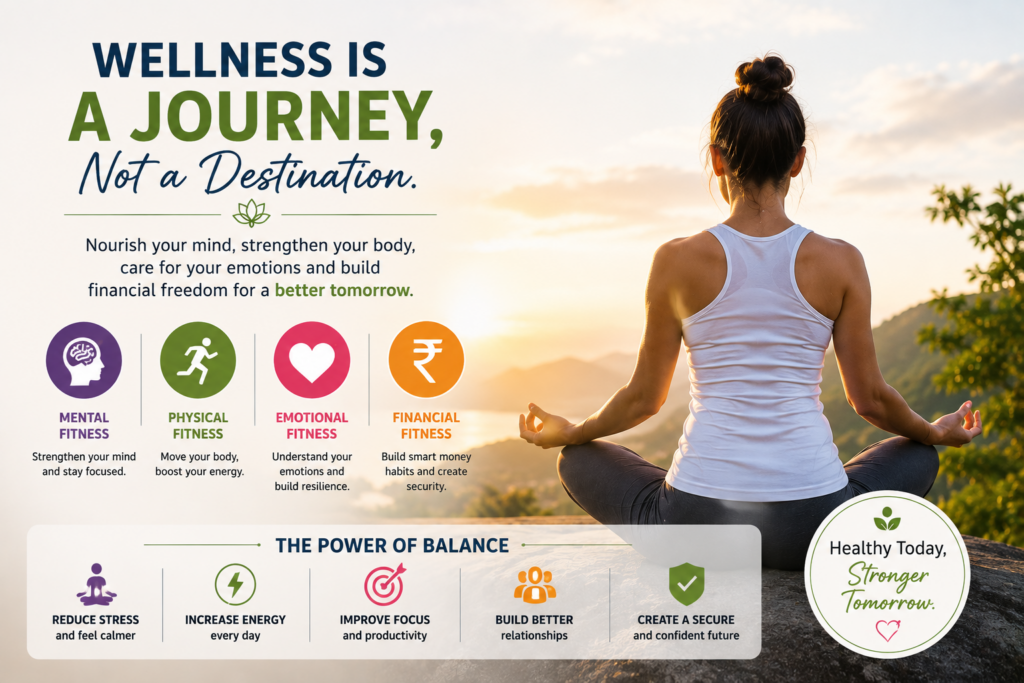
The four dimensions of fitness include mental fitness, physical fitness, emotional fitness and financial fitness. Together, these areas help create a stronger foundation for a healthy lifestyle. Instead of focusing on only one part of life, holistic wellness encourages you to understand how your mind, body, emotions and financial habits influence each other.
At KearnFit, we believe fitness is about more than achieving a short-term goal. It is about building a lifestyle that gives you greater energy, confidence, balance and personal growth.
1. Discover the Powerful Meaning of the Four Dimensions of Fitness
The four dimensions of fitness represent four important areas that contribute to overall wellness. These dimensions are mental fitness, physical fitness, emotional fitness and financial fitness.
Each dimension plays a different role in your daily life. Mental fitness helps you focus and manage challenges. Physical fitness supports your strength, mobility and energy. Emotional fitness helps you understand and manage your feelings. Financial fitness helps create greater awareness, confidence and stability around money.
These dimensions are not separate from one another. They are deeply connected.
For example, financial stress can affect your emotional wellbeing and make it more difficult to focus. A lack of sleep can affect both mental and physical fitness. Regular exercise may help improve your mood and give you more energy. Strong relationships and supportive communities can positively influence mental and emotional wellbeing.
This is why a holistic approach is so valuable. The goal is not to achieve perfection in every area of life. The goal is to create greater awareness and take positive steps towards a healthier and more balanced lifestyle.
2. Build a Stronger and More Confident Mind Through Mental Fitness
Mental fitness is one of the most important parts of the four dimensions of fitness. It refers to your ability to focus, learn, think clearly and respond to everyday challenges.
Modern life places enormous demands on the mind. Work deadlines, social media, notifications, family responsibilities and constant information can make it difficult to slow down. Over time, mental overload can affect focus, motivation and overall wellbeing.
Building mental fitness does not require making dramatic changes overnight. Small and consistent habits can make a meaningful difference. Taking regular breaks from screens, spending time in nature, reading, learning new skills and creating moments of quiet reflection can all support a healthier mindset.
Sleep is also an important part of mental wellness. When life becomes busy, rest is often the first thing people sacrifice. However, giving your mind time to recover can help you feel more focused and prepared for everyday responsibilities.
Mental fitness is not about avoiding stress completely. Stress is a natural part of life. Instead, mental fitness is about developing the awareness and resilience needed to respond to challenges in a healthier way.
A stronger mind can help you make better decisions, remain focused on your goals and approach difficult situations with greater confidence.

3. Unlock Greater Energy with Positive Physical Fitness Habits
When most people think about fitness, physical fitness is usually the first thing that comes to mind. However, physical fitness is much more than intense workouts or spending hours in a gym.
A healthy body is built through regular movement, strength, mobility and recovery.
Walking, cycling, swimming, yoga, strength training, sports and everyday movement can all contribute to physical fitness. The most important factor is finding activities that you enjoy and can continue over time.
Consistency is often more valuable than intensity.
A person who enjoys walking regularly may find it easier to maintain that habit than someone who follows an extremely demanding exercise routine for only a few weeks. Sustainable fitness should fit into your lifestyle instead of making your lifestyle feel impossible to manage.
Physical fitness can help improve energy, mobility, strength and confidence. It can also give you more freedom to enjoy everyday activities.
Recovery is equally important. Rest, sleep and allowing your body time to recover are essential parts of a balanced approach to physical wellness. Fitness should help you feel stronger and more energised, not constantly exhausted.
Within the four dimensions of fitness, physical health provides an important foundation for living an active and fulfilling life.
4. Create Happier Relationships Through Emotional Fitness
Emotional fitness is another powerful part of overall wellness. It involves understanding your emotions, recognising your reactions and learning how to express yourself in healthier ways.
Being emotionally fit does not mean being happy all the time. Every person experiences disappointment, stress, excitement, frustration and uncertainty. These emotions are a natural part of life.
Emotional fitness is about becoming more aware of what you feel and how those feelings influence your actions.
For example, instead of immediately reacting during a difficult conversation, emotional awareness allows you to pause and understand what you are experiencing. You may ask yourself why you feel frustrated, worried or disappointed before deciding how to respond.
This simple awareness can create more positive communication and stronger relationships.
Healthy emotional habits can include reflection, journaling, meaningful conversations and setting appropriate boundaries. Spending time with supportive people can also make a positive difference.
Emotional fitness can help you become more resilient. Resilience does not mean ignoring difficult emotions. It means learning how to move through challenges while maintaining perspective and continuing to grow.
Strong emotional wellbeing can improve relationships, confidence and overall quality of life.
5. Gain More Freedom and Confidence Through Financial Fitness
Financial fitness is often overlooked when people talk about health and wellness. However, money habits can have a significant influence on everyday stress, relationships and peace of mind.
Financial fitness does not mean becoming wealthy overnight. It means developing healthier and more intentional habits around money.
Understanding your income, expenses and financial priorities can help create greater awareness. Setting realistic goals, managing spending responsibly and preparing for unexpected situations can gradually build confidence.
Financial stress can affect many other areas of life. Constant worries about money may influence sleep, concentration and emotional wellbeing. This is why financial fitness is an important part of the four dimensions of fitness.
Small improvements can make a meaningful difference. You do not need to completely transform your financial situation in one day. Learning more about money, tracking spending and making intentional decisions can be positive first steps.
Just like physical fitness, financial fitness is often built through consistency. Healthy habits practised over time can help create greater stability and confidence.
6. Experience the Amazing Connection Between All 4 Dimensions
One of the most powerful ideas behind the four dimensions of fitness is that every dimension can influence the others.
When you move your body regularly, you may feel more energetic and mentally refreshed. When you manage stress more effectively, you may find it easier to maintain healthy physical habits. When you understand your emotions, your relationships may become stronger. When you improve your financial awareness, you may experience greater confidence and peace of mind.
This connection means that even small positive changes can create wider benefits.
For example, starting a daily walk may improve physical activity while also giving you time away from screens and work pressure. Creating a financial plan may help reduce unnecessary stress. Joining a supportive community may encourage accountability and create meaningful social connections.
Holistic wellness is about recognising these connections and understanding that your wellbeing is made up of many different experiences.
7. Start Your Inspiring Holistic Wellness Journey Today
Improving all four dimensions of fitness may sound challenging, but you do not need to change everything at once.
The most effective approach is often to start small.
Take a moment to consider each area of your life. How do you currently feel mentally? Are you moving your body regularly? Do you understand and manage your emotions in healthy ways? Do you feel aware and organised about your financial habits?
Once you identify an area that needs attention, choose one simple action.
You could take a short walk each day, spend ten minutes reading, begin writing in a journal or review your weekly spending. These small actions may seem simple, but repeated consistently, they can become powerful habits.
Progress matters more than perfection.
Every person’s wellness journey is different. Some periods of life may require greater attention to mental health, while others may require focus on physical activity, emotional growth or financial planning.
The important thing is to remain aware and continue moving forward.
8. Build a Better Life with the Four Dimensions of Fitness
The four dimensions of fitness offer a powerful and positive way to think about health.
Mental fitness helps you develop clarity and resilience. Physical fitness supports strength, movement and energy. Emotional fitness helps you understand yourself and build healthier relationships. Financial fitness can create greater awareness and confidence around your future.
Together, these four areas provide a more complete approach to wellness.
True fitness is not only about how you look. It is about how you feel, how you think, how you respond to challenges and how confidently you build your future.
You do not need to be perfect in every dimension. A balanced lifestyle is not about maintaining perfection every day. It is about recognising where you are, identifying where you want to grow and taking positive steps forward.
At KearnFit, we believe that wellness is a journey of continuous growth. By focusing on the four dimensions of fitness, you can begin building a lifestyle with greater energy, confidence, connection and balance.
Your journey does not have to begin with a major transformation.
It can begin with one small, positive step today.
Start exploring a healthier, more balanced approach to life with KearnFit.
Visit KearnFit: www.kearnfit.com
25 Responses