Financial fitness is an important part of a balanced lifestyle. Just as physical fitness involves developing healthy habits for your body, financial fitness focuses on how you manage money, prepare for unexpected expenses, and work toward your personal goals.
At KearnFit, we believe that a healthy lifestyle includes more than exercise and nutrition. Your financial habits can influence your everyday choices, sense of security, and ability to plan for the future.
The goal is not to become wealthy overnight. It is to develop practical money habits that support a more confident, organised, and sustainable life.

1. What Is Financial Fitness and Why Does It Matter?
Financial fitness means understanding, managing, and planning your money in a way that supports your present needs and future goals.
It includes habits such as:
- Managing monthly expenses
- Creating a budget
- Building savings
- Understanding debt
- Planning for emergencies
- Learning about financial products
- Protecting personal financial information
You do not need a high income to begin improving your financial habits. Small steps, consistent awareness, and realistic planning can help you make more informed decisions.
Financial fitness is not about comparing your financial situation with someone else. It is about understanding your own circumstances and making choices that support your priorities.
2. Track Your Income and Expenses
You cannot manage your money effectively if you do not know where it goes.
Start by recording your income and expenses every month. Include rent, groceries, transportation, utility bills, subscriptions, loan payments, shopping, and other regular spending.
You can use a notebook, spreadsheet, budgeting application, or bank statements to track your financial activity.
Try this practical habit: Record your expenses for 30 days. At the end of the month, divide your spending into categories and identify one area where you could make a realistic improvement.
Tracking your expenses is not about feeling guilty. It is about gaining clarity and making decisions based on actual information.
3. Create a Realistic Monthly Budget
A budget is a plan for how you want to use your income. It helps you balance essential expenses, savings, financial commitments, and personal spending.
A simple monthly budget may include:
| Category | Examples |
|---|---|
| Essential expenses | Food, rent, transport, utilities |
| Savings | Emergency fund and short-term goals |
| Financial commitments | Loan repayments and insurance |
| Personal spending | Entertainment and hobbies |
| Future goals | Education, business, or travel |
Your budget should reflect your actual income and responsibilities. Avoid copying another person’s budget without considering your own circumstances.
Helpful tip: Prepare your budget before the month begins. At the end of the month, compare your planned expenses with your actual spending.
A budget should guide you, not make your life unnecessarily restrictive.
4. Build an Emergency Savings Fund
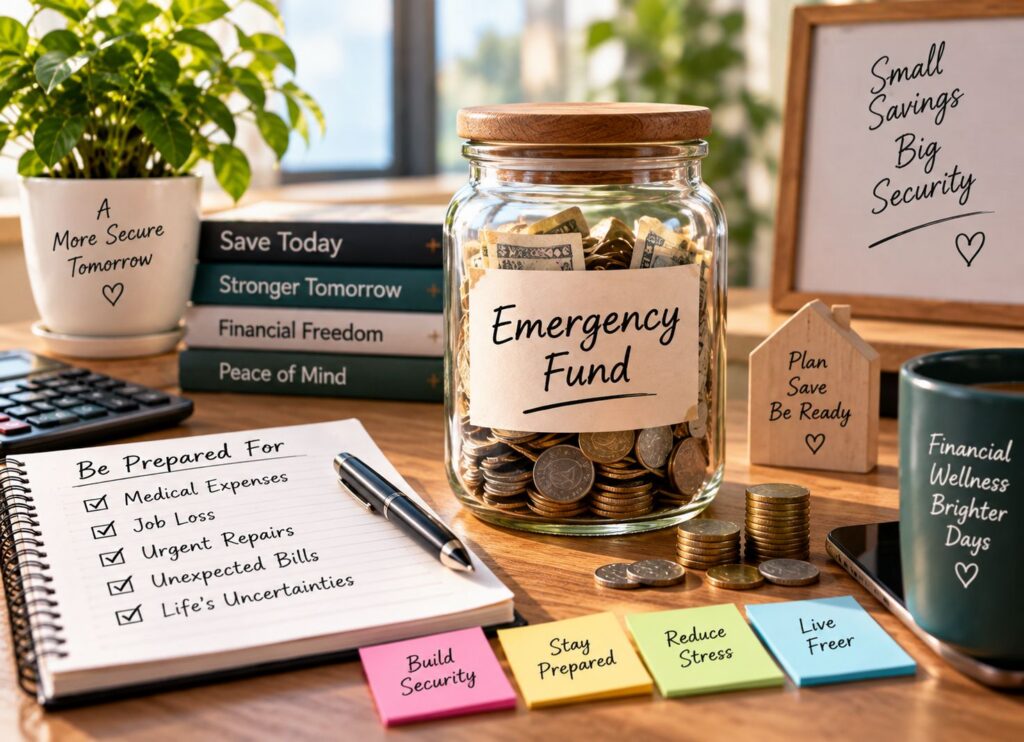
Unexpected expenses can create financial pressure. Emergency savings can help you prepare for situations such as urgent repairs, temporary income loss, or unexpected essential costs.
Start with a small and achievable target. Once you develop the habit, gradually work toward a larger emergency reserve based on your income, job stability, family responsibilities, and essential monthly expenses.
You can follow a simple process:
- Identify your essential monthly expenses.
- Set a small initial savings target.
- Keep emergency savings separate from everyday spending.
- Add money regularly when your budget allows.
- Review the amount as your circumstances change.
Remember: Emergency savings should generally prioritise accessibility and safety. The right amount depends on your personal situation.
5. Separate Needs From Wants
Spending money is a normal part of life. Enjoying hobbies, eating out, and purchasing things you like can all fit into a balanced financial routine.
The important thing is to understand the difference between essential needs and non-essential wants.
Before making a purchase, ask yourself:
- Do I really need this right now?
- Does it fit within my budget?
- Am I purchasing it because of an emotional impulse?
- Can I wait before making the decision?
- Will it affect my savings or bill payments?
Try the 24-hour rule: Before purchasing a non-essential item, wait 24 hours. This can give you time to decide whether the purchase is necessary and affordable.
6. Manage Debt Responsibly
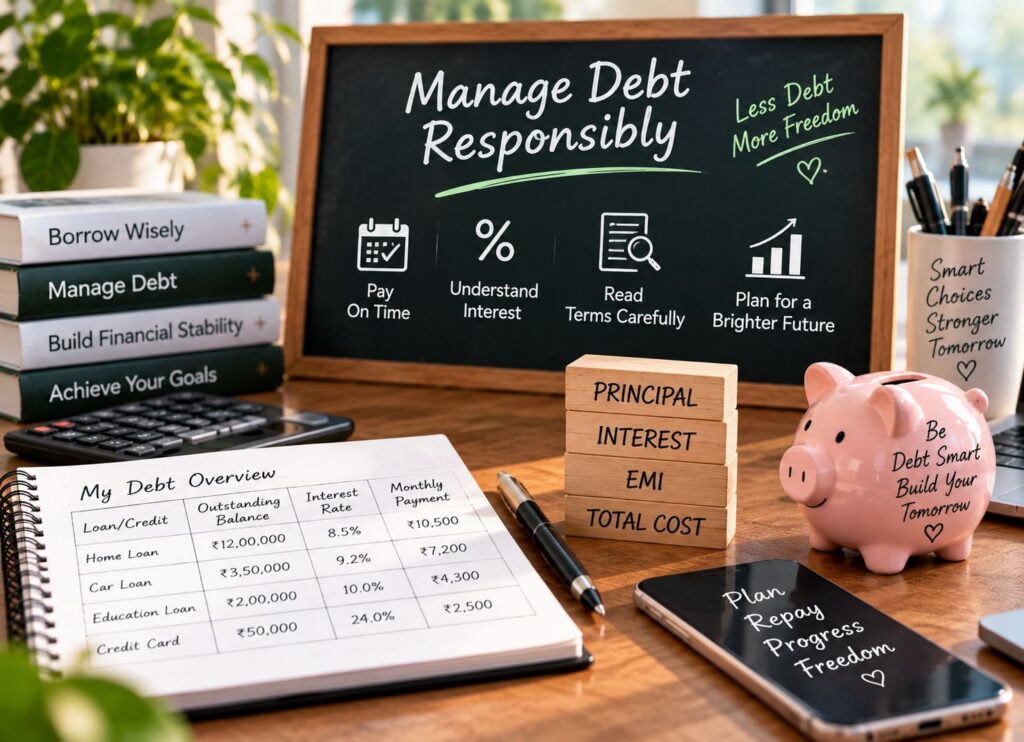
Borrowing money can help people meet important needs, but debt also creates repayment responsibilities.
Before accepting a loan or using credit, understand the interest rate, fees, repayment schedule, penalties, and total repayment cost.
Responsible debt management includes:
- Making repayments on time
- Understanding the total cost of borrowing
- Reviewing your repayment capacity
- Avoiding unnecessary borrowing
- Reading agreements carefully
- Seeking qualified financial guidance when needed
Do not make financial decisions based only on an advertised interest rate. Review the complete terms and conditions before accepting a financial product.
Practical exercise: Create a list of your debts, including outstanding balances, interest rates, and monthly repayments. This will help you understand your existing financial commitments.
7. Set Clear Financial Goals
Your money becomes easier to manage when it has a clear purpose.
Instead of saying, “I want to save more,” create a specific financial goal with an amount and time frame.
Examples include:
- Saving for professional education
- Building an emergency fund
- Reducing debt
- Preparing for a business project
- Saving for a major purchase
- Planning for long-term financial needs
A useful goal should be realistic and measurable.
Example:
“I will save ₹24,000 over the next 12 months by setting aside ₹2,000 each month, provided my essential expenses remain covered.”
Your financial goals should be adjusted according to your income, obligations, and changing circumstances.
8. Develop a Consistent Saving Habit
Saving becomes more manageable when it becomes part of your regular routine.
You do not need to begin with a large amount. Focus on developing a habit that you can maintain consistently.
Consider these strategies:
- Save soon after receiving your income.
- Set aside money for specific goals.
- Review unnecessary subscriptions.
- Increase savings when your income improves.
- Use separate categories for different financial priorities.
Avoid comparing your savings with someone who has a different income or financial situation.
KearnFit habit challenge: Choose a manageable savings amount and review your progress after three months. If your circumstances change, adjust the amount rather than abandoning the habit completely.
9. Learn Before You Invest

Investing requires an understanding of risk, time horizon, liquidity, fees, and potential returns.
Before choosing an investment product, learn how it works and whether it is suitable for your financial goals.
Keep these principles in mind:
- Understand the risks before investing.
- Do not rely solely on social media recommendations.
- Research fees and product conditions.
- Avoid investing money you may need immediately without considering liquidity.
- Be cautious of promises of guaranteed high returns.
- Seek qualified professional advice when necessary.
There is no single investment option that is suitable for everyone. Your decisions should reflect your financial position, goals, risk tolerance, and investment time frame.
10. Protect Your Money and Personal Information
Financial fitness also includes protecting your accounts and personal information.
As digital banking and online payments become more common, it is important to remain cautious about scams and unauthorised transactions.
Follow these safety practices:
- Never share your OTP, PIN, or banking password.
- Avoid clicking unknown payment links.
- Verify unexpected requests for money.
- Use strong passwords and device security.
- Review transaction notifications regularly.
- Contact your bank through official channels if you suspect fraud.
Be particularly careful with investment offers that create urgency or promise unusually high returns.
Monthly safety check: Review your account alerts, passwords, and recent transactions to identify anything unusual.
11. Review Your Financial Progress Regularly
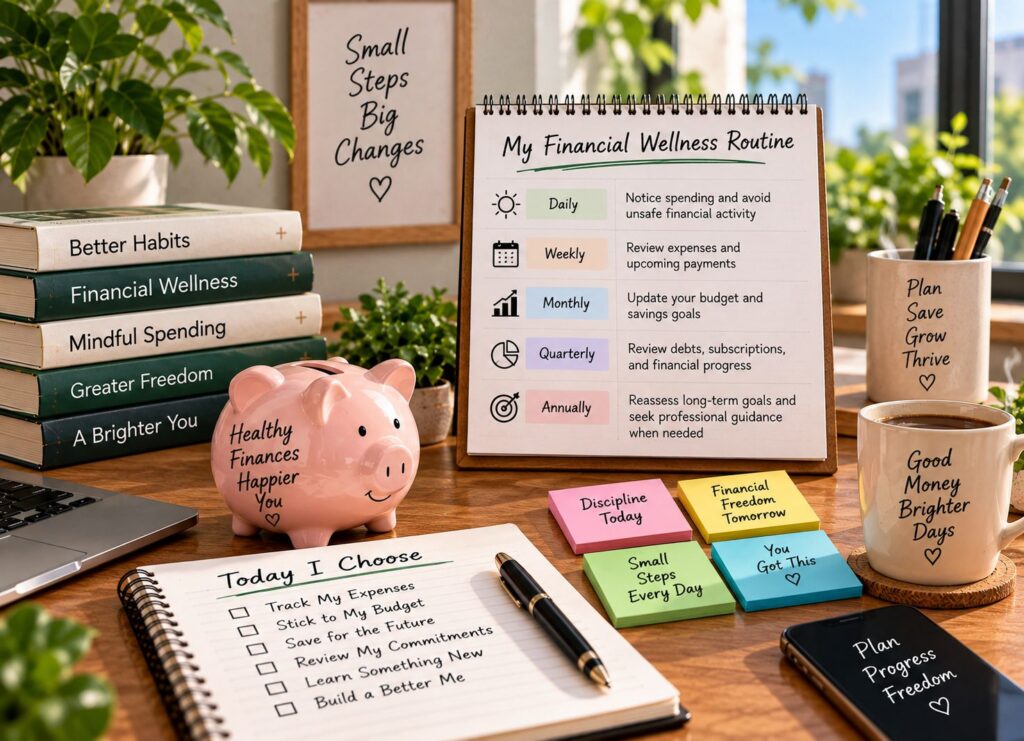
Your financial circumstances can change over time. Your income, expenses, responsibilities, and goals may be different six months from now.
Set aside time each month to review:
- Income received
- Essential expenses
- Savings contributions
- Debt repayments
- Progress toward financial goals
- Recurring subscriptions
- Upcoming financial responsibilities
A regular review allows you to adjust your plan before small issues become larger challenges.
Financial planning is not about being perfect. It is about learning, adapting, and making better-informed decisions over time.
12. Build a Sustainable Financial Routine
Financial fitness develops through consistency rather than one-time decisions.
Start by choosing two or three habits that are realistic for your current situation. For example, you could track your expenses, create a monthly budget, and set up a small savings transfer.
As these habits become easier, introduce additional goals.
A simple weekly financial routine could include:
| Activity | Suggested frequency |
|---|---|
| Track expenses | Daily or several times a week |
| Review your budget | Weekly |
| Transfer savings | Monthly |
| Review debt repayments | Monthly |
| Check financial goals | Monthly |
| Review long-term plans | Every few months |
The best financial routine is one that you can maintain while balancing your personal, professional, and family responsibilities.
Your Next Step With KearnFit
Financial fitness is not about having unlimited money. It is about developing awareness, making responsible choices, and building habits that support your future.
Start small. Track your spending, create a realistic budget, build savings, and continue learning about financial decisions.
At KearnFit, we believe that a healthier life includes your mind, body, emotions, and financial well-being. When you work on these areas together, you can create a more balanced and intentional lifestyle.
Start with one financial habit today. Small improvements can become meaningful progress over time.